
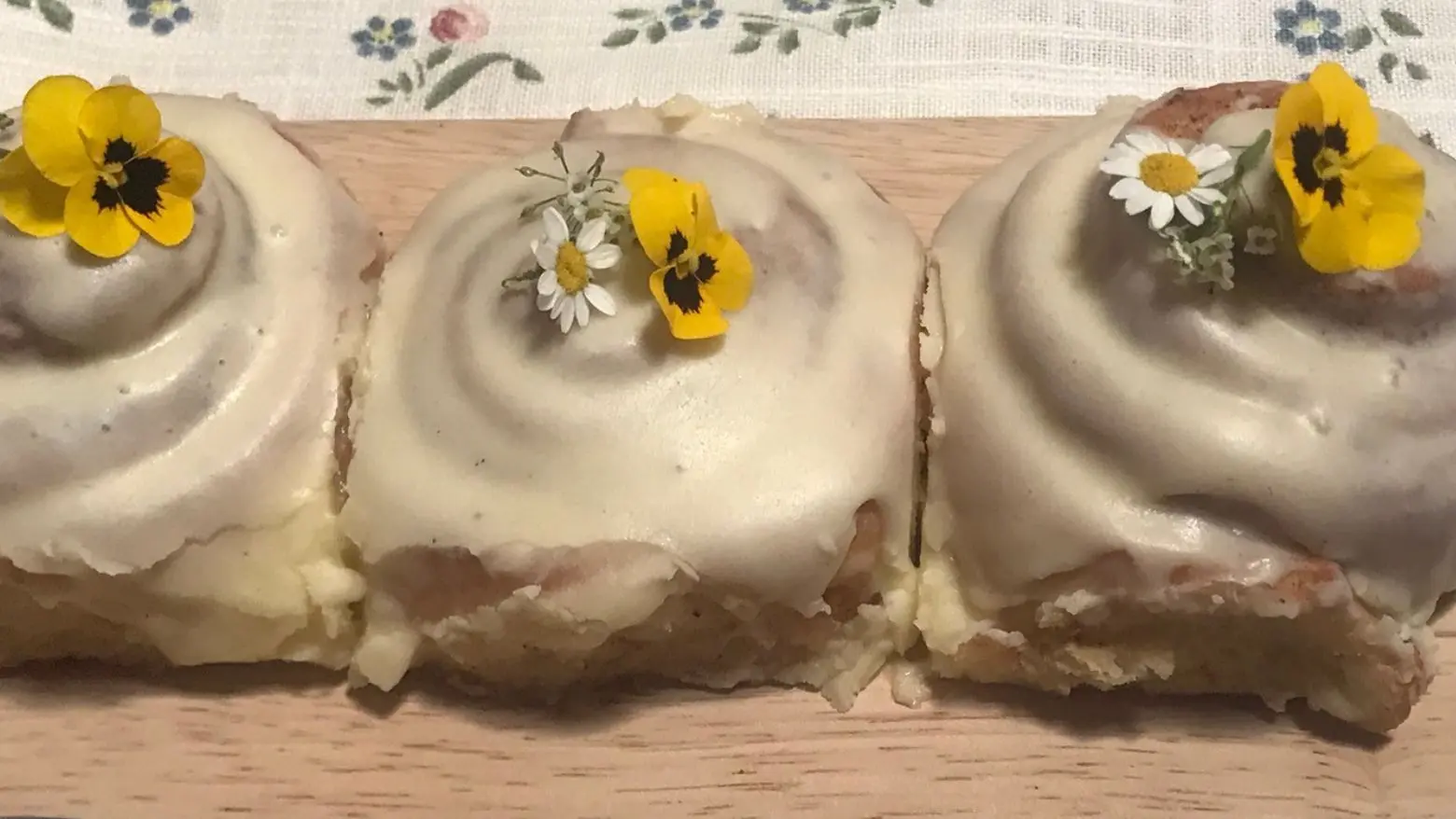
The first time I made these cinnamon rolls, they weren’t quite the success I had hoped for. After making a few adjustments, the second batch turned out exactly as I imagined, soft, fluffy, gooey and packed with buttery cinnamon flavour.
If you’ve been looking for an easy cinnamon rolls recipe that really works, I’ll show you exactly what went wrong, how I fixed it, and the simple tips that make these cinnamon rolls a recipe I’ll bake again and again.
Why You’ll Love this Cinnamon Rolls Recipe
- Step-by-step instructions
- Classic cinnamon-sugar filling
- Creamy, indulgent cream cheese frosting
- Lessons learned so you don’t make the same mistakes I did
The difference between dry, dense buns and soft, gooey cinnamon rolls came down to kneading time and technique. By sharing my initial flop and ultimate success, I hope to help you skip the frustration and go straight to a pan of irresistible rolls.
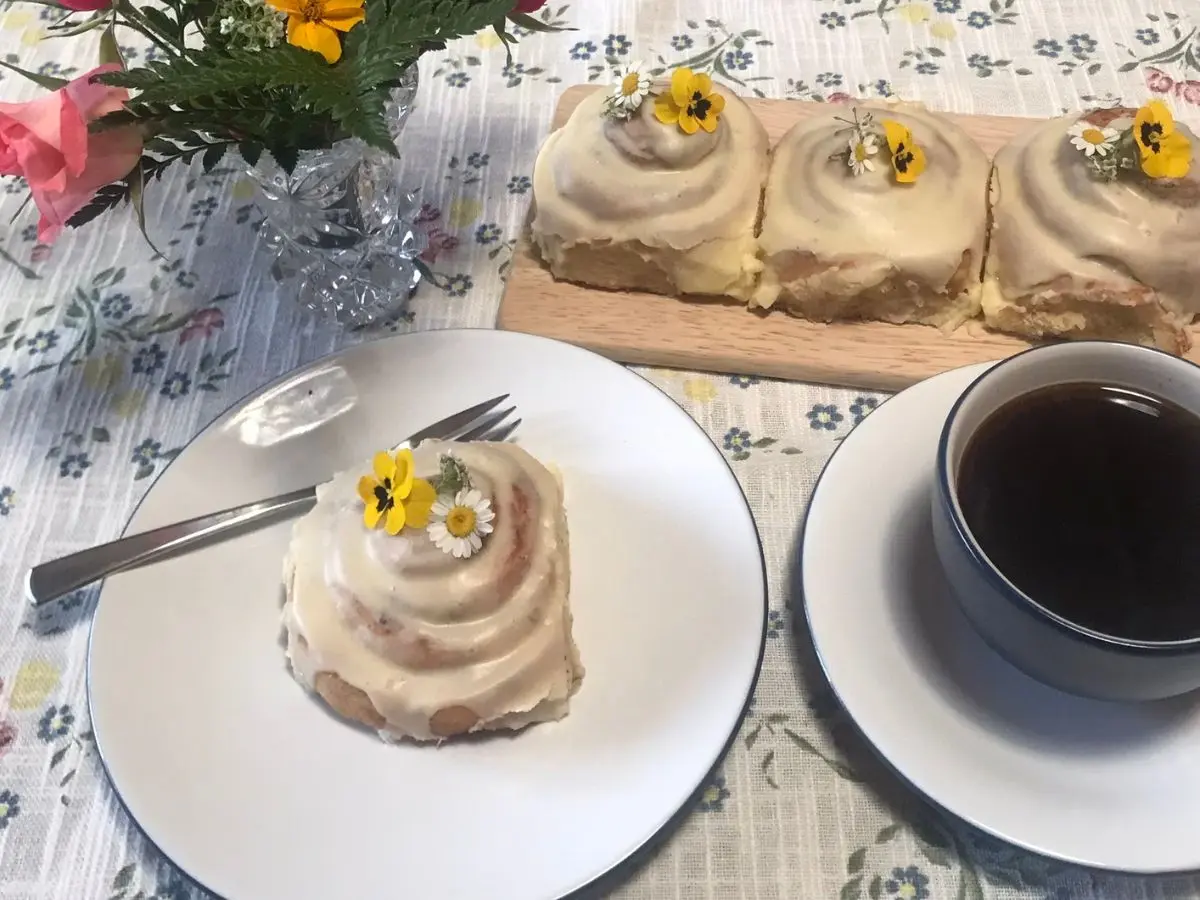
Cinnamon Rolls Recipe
Ingredients
Dough
- 480 g cake flour 4 cups / 17 oz
- 67 g white sugar 1/3 cup / 2.4 oz
- 10 g instant yeast 1 packet / 2 ¼ tsp
- 360 ml milk 1 ½ cups / 12 oz
- 85 g salted butter room temp (6 tbsp / 3 oz)
- 1 egg room temp
- Sunflower oil to grease the bowl
Cinnamon Sugar Filling
- 57 g salted butter room temp (¼ cup / 2 oz)
- 135 g light brown sugar 2/3 cup / 4.8 oz
- 1 tablespoon ground cinnamon
Cream Cheese Frosting
- 100 g cream cheese room temp (3.5 oz)
- 113 g salted butter room temp (½ cup / 4 oz)
- 360 g icing sugar 3 cups / 12.7 oz
- 30 –45 ml milk 2–3 tbsp / 1–1.5 oz
- 1 tsp vanilla essence optional
Instructions
Make the Dough:
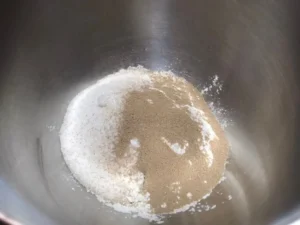
- In a stand mixer fitted with a paddle attachment, combine 240 g (2 cups) flour, sugar, and yeast.
- Heat milk and butter together in the microwave for 30 seconds. Stir, and reheat another 30 seconds if needed until butter is mostly melted. Stir again until fully melted. Make sure it’s lukewarm—not hot—before adding to the bowl.

- Add the milk mixture and egg to the flour mixture. Beat for 2 minutes, starting on low and increasing to high speed.
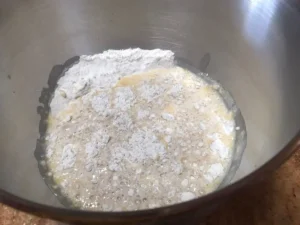
- Scrape down the sides using a spatular. Add 120 g (1 cup) more flour and mix to combine.
- Add the last 120 g (1 cup) of flour one spoonful at a time just until the dough comes together.
Knead the Dough:
- Switch to the dough hook and knead for 9 minutes. The dough is still sticky before rising. Grease a large bowl lightly with sunflower oil. Place the dough inside and cover with a clean dish towel.
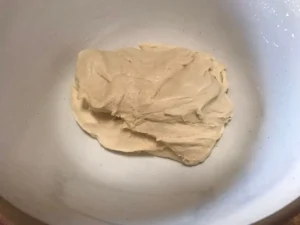
First Rise:
- Let rise in a warm spot for about 1 hour or until doubled in size. (see Baking with Yeast – Tips for success)
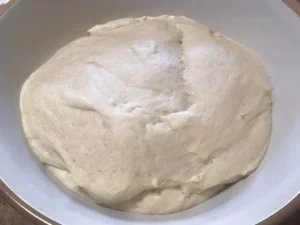
Shape the Rolls:
- Turn the dough onto a well-floured surface (avoid cold granite in winter—see tips below).
- Roll into a rectangle approximately 30 x 45 cm using a rolling pin.
- Cut into 12 long strips along the longer (45 cm) side.
- Spread each strip with room-temperature butter (reserve 1 tbsp for sealing).
- Mix the brown sugar and cinnamon, then sprinkle it over each strip and press gently to help it adhere.
- Roll each strip tightly into a swirl and seal the edge with the reserved butter.
Second Rise:
- Place rolls in a deep baking tray lightly sprayed with non-stick spray and then lined with parchment paper.
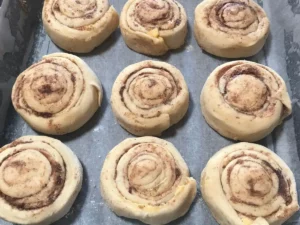
- Cover and let rise for about 1 hour, or until puffy and doubled.
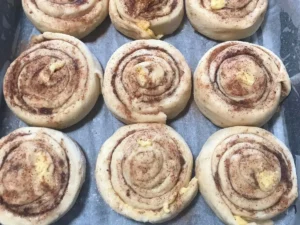
Bake:
- Preheat oven to 170°C (340°F).
- Bake for 25 minutes, until golden and baked through.
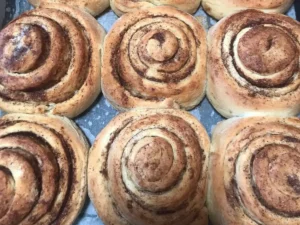
Make the Frosting:
- Using the paddle attachment, mix all frosting ingredients until light and fluffy.
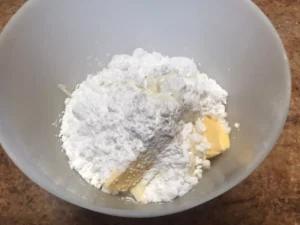
- Spread over warm (not hot) cinnamon rolls. If you let them cool completely before frosting, they lose steam (literally), and dry out fast.

What Went Wrong and How I Fixed these Cinnamon Rolls
I promised to share what didn’t work the first time I made these cinnamon rolls because baking with yeast can be a bit tricky, especially if you’re new to it. Don’t give up though the results are absolutely worth it! Here’s what caused my flop, and how I turned it around:
| What Went Wrong (Flop) | How I Fixed It (Success) |
| I under-kneaded the dough, so the texture came out dense and dry. | I kneaded the dough for a full 9 minutes on Speed 2 using my Kitchen Aid Stand Mixer with the dough hook. |
| I rolled the dough out on a cold granite counter in winter, which chilled the dough and slowed the rise. | I switched to a large wooden board for rolling out the dough. It stayed warmer and kept the dough at the right temperature for a better rise. |
How to Know When Your Dough is Kneaded Enough
One easy way to test it is to take a small piece of dough and gently stretch it between your fingers. If it stretches into a thin, translucent sheet without tearing, it’s ready. If it tears easily, keep kneading a bit longer.
Sticky vs. Tacky : What’s the Difference?
Before the first rise, it’s normal for enriched dough to feel soft and slightly sticky, especially one with butter, milk, or eggs. After kneading and resting, the dough should become smooth, stretchy, and tacky rather than sticky. Tacky means it gently clings to your finger without leaving a residue, while sticky feels wet or gummy and sticks messily.
What Is Enriched Dough?
This recipe uses what’s called an enriched dough. That means the dough contains fat, sugar, and sometimes eggs or milk, which make it soft and rich. In contrast, lean doughs (like pizza dough or traditional baguette dough) have just flour, water, yeast, and salt. They bake up with a chewy or crusty texture, while enriched doughs are softer and more tender, perfect for sweet buns.
Baking with Yeast: Tips for Success
If working with yeast makes you a little nervous, don’t worry, it’s more forgiving than it seems, and the results are so worth it. Here are a few tips I’ve picked up along the way to help you get it right:
- Use Room Temperature Ingredients: Avoid using anything too hot or cold. Heat can kill your yeast, and cold ingredients will slow everything down. Let butter, milk, and eggs sit out until they’re at room temperature.
- Always Check the Yeast: Yeast that’s past its expiration date might not activate properly, which means your dough won’t rise like it should.
- Don’t Rush the Rise: The actual hands-on time is short, but yeast doughs need time to rise. Make sure you set aside enough time for that magic to happen.
- Help the Dough Rise: Yeast loves warmth! I like to briefly warm up the oven, then turn it off and use it as a cozy space for rising. Just test the warmth first with your hand, it should feel gently warm, not hot. Cover your bowl and pop it in to rise undisturbed.
Serving and Storing Cinnamon Rolls
- Serving suggestions: Best served warm, just after icing melts into the swirls.
- Storage: Store in an airtight container at room temperature for up to 2 days. Microwave for 30 seconds before serving.
Frequently Asked Questions about Cinnamon Rolls
Cold surfaces can chill the dough and slow rising. Use a large wooden board instead.
Yes. Chopped pecans, walnuts, or raisins can be sprinkled over the cinnamon sugar filling before rolling up the dough.
Yes. Simply slice the rolled dough into more pieces for smaller rolls or fewer pieces for larger bakery-style cinnamon rolls. Keep in mind that baking times may need to be adjusted.
Store them in an airtight container once they have cooled. Reheat individual rolls for a few seconds in the microwave to restore their soft texture.
Absolutely! This recipe uses everyday ingredients that are readily available in South African supermarkets, making it easy to recreate these soft, fluffy cinnamon rolls at home.
My Go-To Kitchen Brands: Trusted Tools That Make Baking Better
When it comes to baking, the right tools can make all the difference and these three brands never let me down.
KitchenAid is a household name for a reason. Their silicone spatula set is not only stylish but also sturdy, flexible, and heat-resistant, perfect for folding soft doughs or scraping down mixing bowls without missing a bit.
Le Creuset brings timeless French craftsmanship into your kitchen. I love their set of 3 rectangular dishes, beautiful enough to go from oven to table.
And then there’s Tupperware, a classic for good reason. Their storage container seal perfectly and keep everything fresh.
These brands are a staple in my kitchen, and I reach for them every time I bake.
Bake Like a Pro : My Top Picks

|
Quality I Recommend

|

|
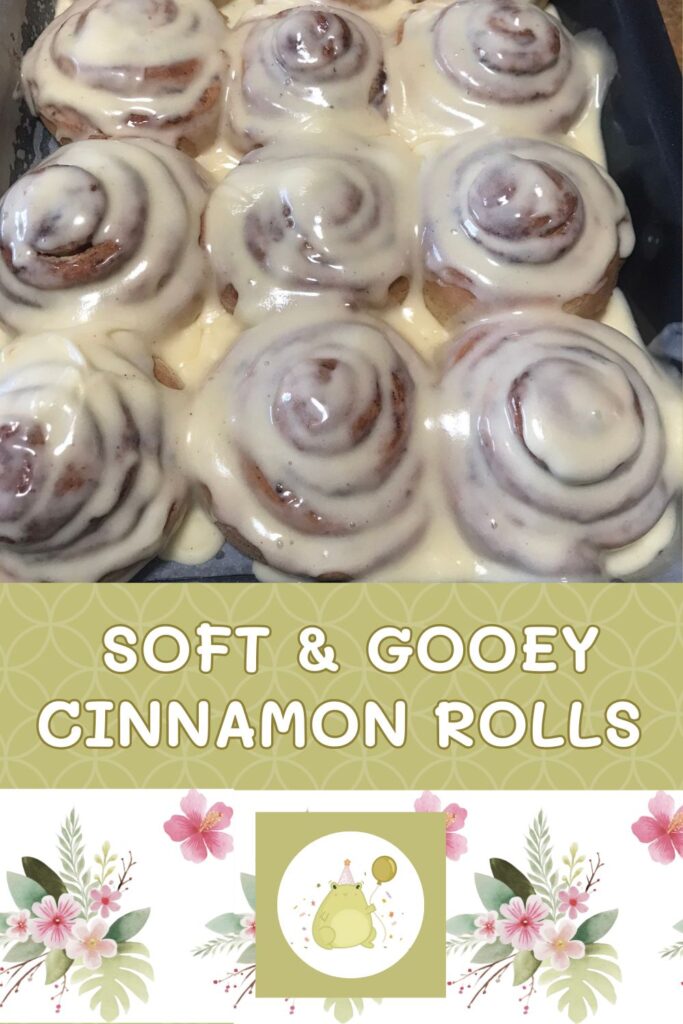
Save This Easy Cinnamon Rolls Recipe for Later
Other Recipes to Try
If you’re looking for your next bake, here are a few favourites you might enjoy:
- Old Fashioned South African Fudge – Sweet, creamy, and nostalgic.
- Crumpets – Soft, spongy, and perfect for breakfast.
- Shortbread Cookies – Buttery and melt-in-your-mouth.
- Easy All-Butter Scones Recipe – Light, fluffy, and ideal with jam and cream.
- Carrot Cake – Moist, spiced, and topped with dreamy frosting.
I would love to hear from you
Have you tried this recipe? Share your thoughts, tips, or questions or connect with me on Pinterest, or Facebook.
Credit to Broma Bakery
This cinnamon rolls recipe is based on the recipe from Broma Bakery. I used their recipe as the foundation for this bake because it produces wonderfully soft and fluffy cinnamon rolls. Over time, I have made a few small adjustments to suit my own preferences and the ingredients I use in South Africa, but the original recipe belongs to Broma Bakery. I am grateful for the opportunity to share my experience with this delicious recipe and encourage you to visit Broma Bakery for more excellent baking recipes.