
German tea biscuits or Teegebäck, , are a staple in German households, especially during festive occasions. These crisp, buttery tea biscuits are made from classic Mürbeteig, a traditional German shortcrust pastry known for its tender, crumbly texture. Teegebäck is a simple yet elegant treat that’s sure to impress your guests.
These traditional German tea biscuits (Teegebäck) are perfect for Easter baking. The dough is easy to shape into festive Easter cookies, making them ideal for spring celebrations and afternoon tea.
This recipe uses homemade vanilla sugar for a richer flavour, learn how to make your own homemade vanilla sugar.
Why You Will Love German Tea Biscuits (Teegebäck)
- These German Tea Biscuits are made with pantry staples like flour, butter, sugar, and eggs.
- Versatile Shapes: Customise the cookies with various cutters for different occasions.
- Ideal for Gifting: These cookies make delightful homemade gifts during the holidays.
If you enjoyed these traditional German Tea Biscuits, have a look at my Butterkuchen recipe too. This classic German butter cake has a soft yeast dough, a buttery sugar and almond topping, and is traditionally enjoyed with a cup of coffee.

German Tea Biscuits (Teegebäck)
Ingredients
- 500 g 17.6 oz / 4 cups cake flour
- 6 g 0.2 oz / 1 ½ teaspoons baking powder
- 150 g 5.3 oz / ¾ cup sugar
- 2 teaspoons homemade vanilla sugar or 1 packet Dr. Oetker Vanilla Sugar
- 2 large eggs
- 250 g 8.8 oz / 1 cup or 2 sticks cold salted butter, cubed
- 1 Tbsp Apricot Jam
- Orange Food Colouring
Instructions
Prepare the Dough:
- On a clean work surface, combine the flour and baking powder.
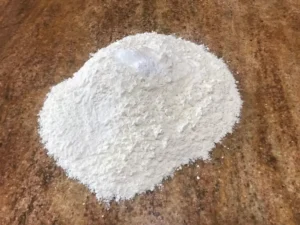
- Create a well in the centre and add the granulated sugar, homemade vanilla sugar, and eggs.
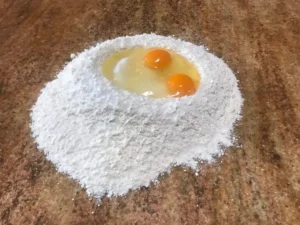
- Mix these with some of the surrounding flour to form a paste.
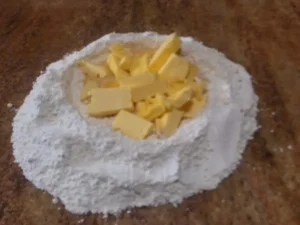
- Distribute the cold butter cubes over the mixture and cover with some of the remaining flour. Quickly knead everything together to form a smooth dough.
Chill:
- Wrap the dough in plastic wrap and refrigerate for at least 1 hour.
Roll Out:
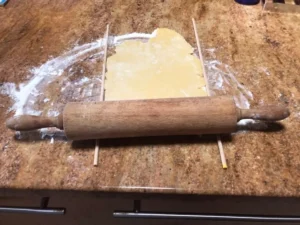
- On a floured surface, roll out the dough using dowels for uniform thickness.
Shaping the Cookies
Cut Rounds:
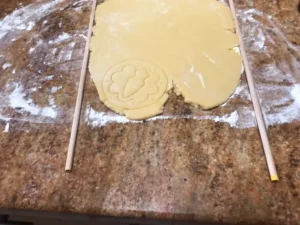
- Use a round cookie cutter to cut out circles from the dough.
Create the Design:
- Using a small carrot-shaped cutter (or any preferred shape), cut out the centre of the cookies.
- Take a scalloped cutter and lightly press it around the edge to create a decorative indentation.
- Using a toothpick, prick small holes along the outer edge of each scallop for added detail.
Assemble the Cookie Layers:
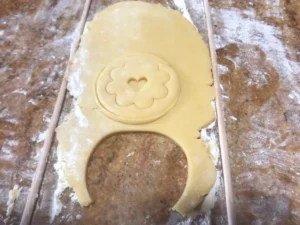
- Carefully transfer the cut-out centre shape onto a separate sheet of dough.
- Lightly brush the dough with a little milk to help it stick.
- Gently press the cut-out shape onto the brushed area.
- Lightly pat it with a rolling pin, ensuring it adheres without distorting the design.
Final Cut:
- Using the same round cookie cutter, carefully cut the cookie again to maintain a clean shape.
Fill with Apricot Jam:
- Mix 1 tbsp apricot jam with a small amount of orange food colouring.
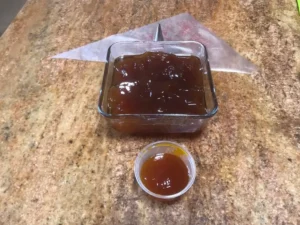
- Carefully fill the cut-out holes with apricot jam, ensuring not to overfill.
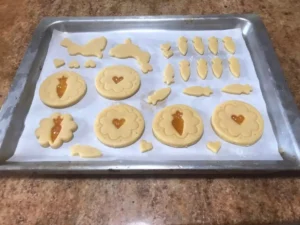
Bake:
- Preheat the oven to 180°C (350°F). Place the cookies on a baking sheet lined with parchment paper. Bake single-layer cookies for 8-10 minutes and double-layer cookies for approximately 16 minutes until lightly golden.
Add extra Jam and Dust with Sugar:
- Before serving, add extra apricot jam in the centre and tilt the cookies to allow it to spread naturally into the corners. Lightly dust the cookies with powdered sugar.
Tools I Use for German Tea Biscuits
Many of the tools I use for this recipe are from Wilton, a trusted brand known for sturdy baking trays and precise cookie cutters. Their tools are easy to work with and help achieve clean shapes and even baking for classic tea biscuits.

|

|

|

|
Variations of German Tea Biscuits
- Fill the German Tea Biscuits with raspberry or strawberry jam instead of apricot.
- Dip half of each cookie in melted chocolate
- Add finely chopped nuts, such as almonds or hazelnuts, to the dough for added texture.
Ingredient I Recommend

|
|
Description: A thick apricot preserve with a smooth texture and balanced sweetness, well suited for filling traditional German tea biscuits. |
|
Why I use it:
I first tried Bonne Maman preserves while living in France and appreciated the natural apricot flavour and consistency. When it later became available in South Africa, I was pleased to use the same product in my baking. Its reliable texture and flavour make it a good choice for classic biscuits and cakes.
|
A thick apricot preserve with a smooth texture and balanced sweetness, well suited for filling traditional German tea biscuits.
Frequently Asked Questions
No. While these biscuits may look similar to Linzer cookies, the method is different. Traditional Linzer cookies are baked plain and filled with jam after baking, then sandwiched together. In this recipe, the jam is added before baking, allowing it to set into a soft, slightly sticky centre rather than a sandwich filling.
Yes. If you prefer a traditional Linzer-style biscuit, bake the biscuits without jam, allow them to cool completely, then sandwich them with a thick apricot preserve.
Feel free to experiment with different jams, Nutella, or even lemon curd.
Chilling helps the cookies maintain their shape during baking and enhances the texture.
Mürbeteig is a classic German shortcrust pastry, similar to a rich, crumbly cookie dough. It’s made with flour, butter, sugar, and sometimes eggs. Mürbeteig is versatile: you can roll it out for cookies or press it into tart pans.
More Recipes Using Bonne Maman Preserves
Windbeutel (German Cream Puffs) – Light choux pastry filled with strawberry jam and whipped cream.
Malva Pudding – A classic South African pudding where a touch of apricot is added to sweeten the batter.
Traditional South African Scones – Freshly baked scones served with butter and strawberry jam. For extra indulgence add whipped cream.
Frankfurter Kranz – A traditional German celebration cake layered with jam and buttercream.
Save This German Tea Biscuits Recipe for Later

I would love to hear from you
I would love to hear about your experience with this traditional Teegebäck recipe. Share your thoughts, variations, or any questions you have.