
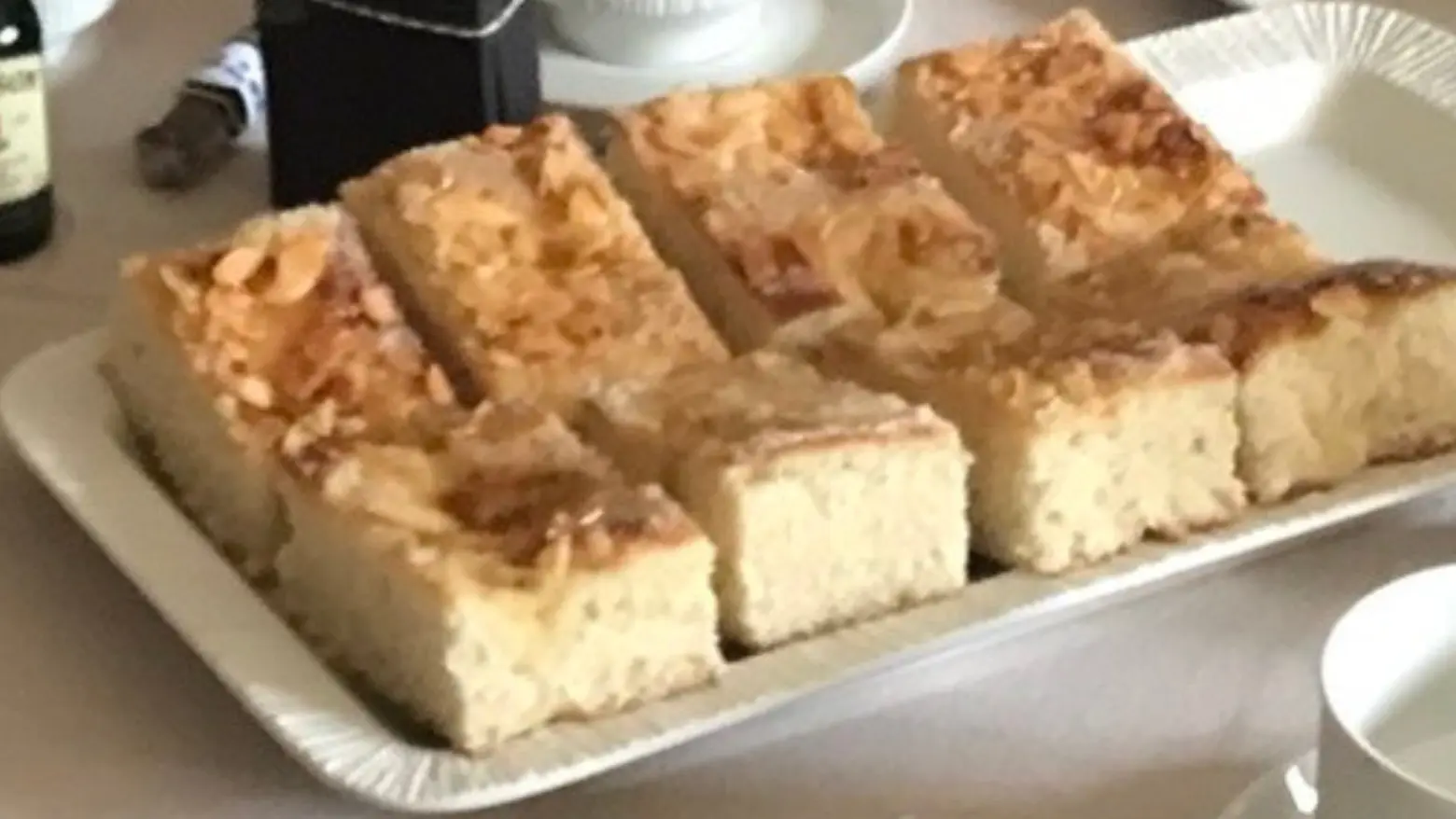
This Butterkuchen recipe, also known as German Butter Cake, is a classic soft and buttery sheet cake. The cake combines an enriched yeast dough with small cubes of butter pressed into the dough and sprinkled with sugar and almonds, before baking. With its delicate sweetness and airy texture, Butterkuchen is a true Kaffee und Kuchen favourite, perfect for afternoon coffee, relaxed gatherings, or family get-togethers.
It is inspired by traditional German baking, including recipes from the Dr. Oetker Backen Macht Freude collection (known in English as German Baking Today), which has shaped many home baking traditions.
I use homemade vanilla sugar for extra depth of flavour, which you can easily prepare at home.
Although the total time is about 2.5 hours, most of it is hands-off while the dough rises. In reality, this is an easy bake with only around 30 minutes of active work. While some versions appear quicker, this Butterkuchen includes full rising time for a soft, bakery-style texture.
Why You Will Love This Easy Butterkuchen Recipe
- Incredibly buttery with a soft, melt-in-the-mouth texture
- Classic German flavour with traditional baking inspiration
- Simple yeast dough that is beginner-friendly. Don’t let the rising time scare you, this Butterkuchen is mostly hands-off while the dough becomes beautifully light and airy.
- Perfect for Kaffee und Kuchen, brunch, or casual entertaining
- Works beautifully for both everyday baking and special occasions
Whether you’re new to German baking or already familiar with classic sheet cakes, this authentic Butterkuchen is a simple but impressive bake that always feels special when served warm.
Baking with Yeast: Tips for Success
If you’re a bit nervous about trying out this German butter cake recipe, don’t sweat it. Baking with yeast is easier than you might think. Here are some handy tips to help you along the way:
- Room Temperature Ingredients: Make sure your ingredients are at room temperature. Using hot or cold items can disrupt yeast activity. Heat can kill it, while cold can slow it down.
- Fresh Yeast is Key: Always check the expiration date on your yeast. Using expired yeast can lead to disappointing results, as it won’t rise properly.
- Plan for Rising Time: Factor in the rising time when you’re planning to bake. While the actual mixing and kneading is quick, the dough needs some time to rise before you can enjoy your delicious cake.
- Create a Cozy Rising Environment: For the best rise, find a warm, draft-free spot for your dough. A way to create this is to preheat your oven for a few minutes, then turn it off. Before placing the dough inside, ensure the oven is only slightly warm, not hot, by testing the temperature with your hand against the oven’s side. Once the temperature feels comfortable, place the covered dough in the oven, close the door and let it rest.
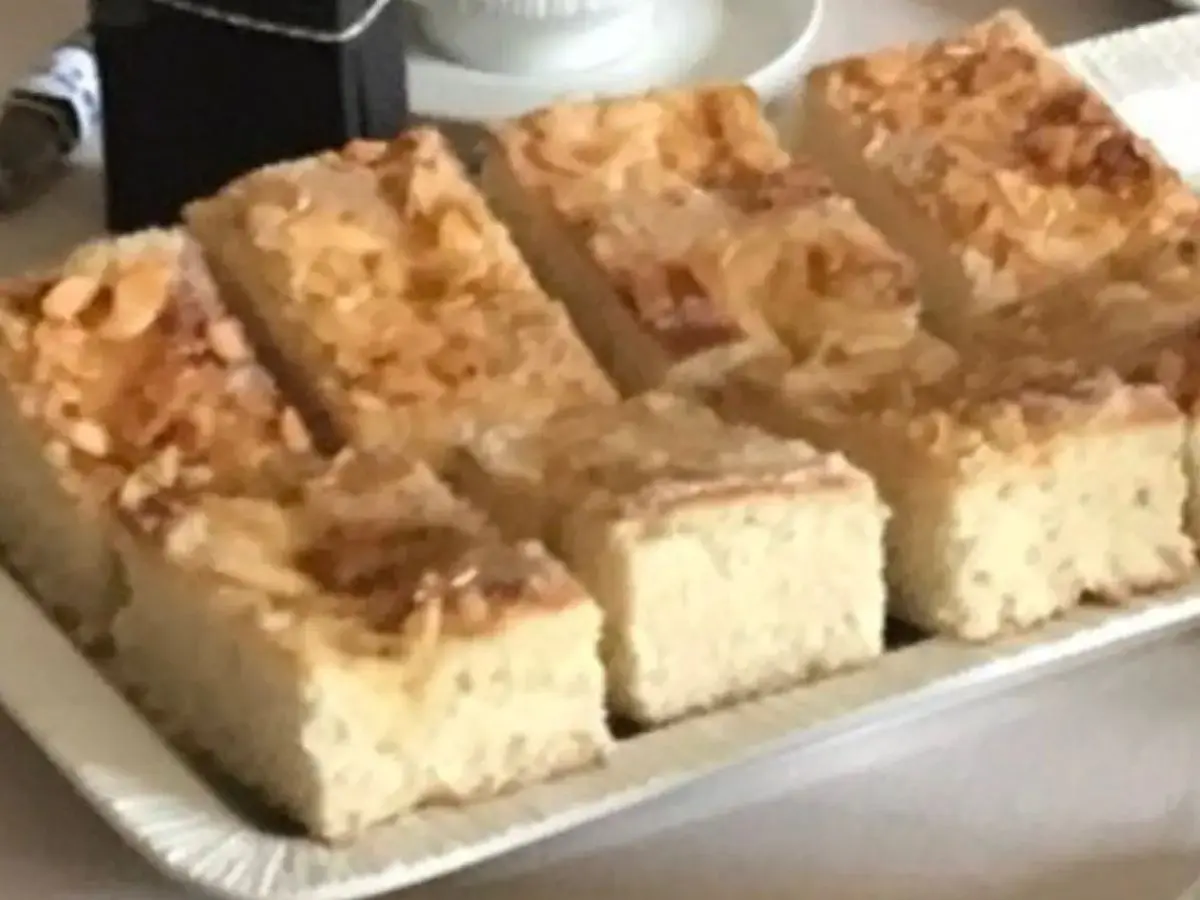
Butterkuchen Recipe (German Butter Cake)
Ingredients
For the Yeast Dough:
- 1 packet / 10g / 0.35oz dry instant yeast Please check the instructions on your packet of yeast to confirm require quantity needed
- 300 ml / 10.14 fl oz lukewarm milk
- 500 g / 17.6 oz / 4 cups cake flour
- 100 g / 3.5 oz / ½ cup sugar
- 3 drops Dr. Oetker Backol Bittermandel
- 50 g / 1.75 oz / ¼ cup butter room temperature
For the Topping:
- 100 g / 3.5 oz / ½ cup cold butter
- 75 g / 2.6 oz / ⅓ cup sugar
- 2 tsp homemade vanilla sugar
- 50 g / 1.75 oz / ½ cup flaked almonds
Instructions
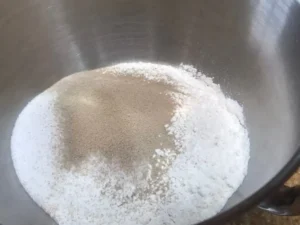
- In the bowl of a stand mixer, combine the dry ingredients: cake flour, sugar, and yeast. Mix to combine.
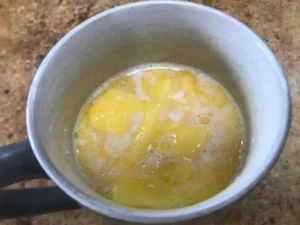
- Heat the milk in the microwave until lukewarm, then add the butter and stir until melted.
- Pour the milk mixture into the dry ingredients. Add the Backol Bittermandel.
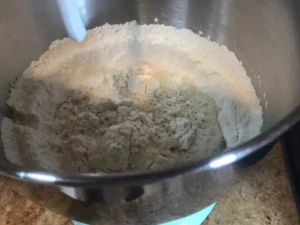
- Attach the dough hook attachment and briefly mix on low, then knead on high for 5 minutes. My stand mixer slides around so I stay nearby to make sure it does not fall off the counter top.
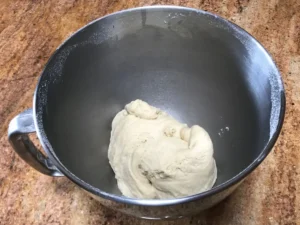
- Cover the dough and allow it to rise in a warm spot until it doubles in size (about 1 hour).
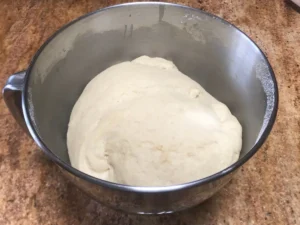
- Prepare a roasting tin by spraying it generously with non-stick spray and lining it with baking paper.
- Once risen, knead the dough again and roll it out to fit the roasting tin. I do this on a large wooden board as I do want to do this directly on my cold granite surface. Stretch it into the corners.
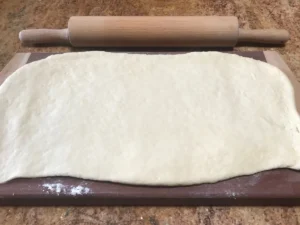
- Cover and let the dough rise again in a warm spot for 45 minutes to 1 hour until doubled in size.
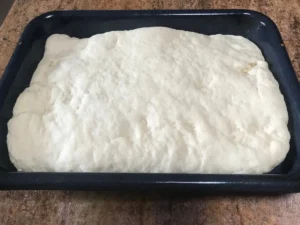
- Preheat the oven to 200°C (392°F).
- Press small dents into the dough where the butter cubes will go. Place the butter cubes into the dents. Pro Tip: Always use cold butter when pressing it into the dough before baking. This helps form the distinctive dimples and buttery puddles that make Butterkuchen so special.

- Sprinkle the dough evenly with sugar, homemade vanilla sugar or Dr Oetker Vanilla Sugar and flaked almonds.
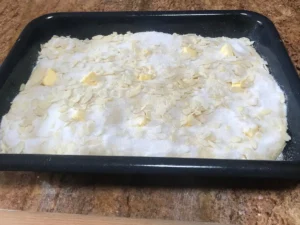
- Bake for 12-15 minutes or until golden brown.
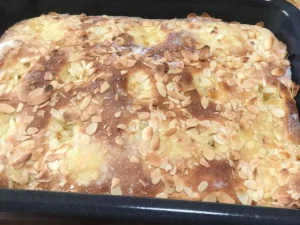
Notes
Selected Essentials for Baking Butterkuchen
A few key items you need to bake perfect Butterkuchen.

|

|

|

|
|
Description: My favourite Dr. Oetker recipe book full of authentic German baking inspiration. |
Description: Easily kneads dough to the perfect consistency. |
Description: Adds that classic nutty aroma and flavour to your cake. |
Description: Ideal for rolling out the yeast dough evenly for your homemade Butterkuchen. |
My favourite Dr. Oetker recipe book full of authentic German baking inspiration.
Easily kneads dough to the perfect consistency.
Adds that classic nutty aroma and flavour to your cake.
Ideal for rolling out the yeast dough evenly for your homemade Butterkuchen.
Variations of this Butterkuchen Recipe
- Cinnamon Butterkuchen: Add a sprinkle of cinnamon sugar over the top.
- Whip 200 ml (7.05 oz) of cream and spread it evenly over the hot butter cake immediately after baking.
More Irresistible German Baking Recipes to Try
Discover more delicious German recipes including Windbeutel, Strawberries and Cream Swiss Roll, Tea Biscuits, and Ottilienkuchen.
Windbeutel (Cream Puffs) – Light and airy cream puffs that melt in your mouth; perfect for special occasions or a delightful afternoon treat.
Strawberries and Cream Swiss Roll – A light and airy sponge cake filled with whipped cream and juicy strawberries.
German Tea Biscuits – Teegebäck are traditional German butter cookies, perfect for enjoying with tea or coffee.
Ottillienkuchen – A traditional German loaf cake made with butter, almonds, chocolate, and mixed peel.
Peach Flan / Obsttorte combines a fluffy sponge cake with juicy peaches and a smooth clear cake glaze.
Frequently Asked Questions about this Butterkuchen Recipe
Butterkuchen is a classic German tray-baked yeast cake. Cold butter is pressed into the dough before it is generously sprinkled with sugar and, often, sliced almonds.
Butterkuchen and Zuckerkuchen are very similar German sheet cakes. Traditionally, Butterkuchen is made with butter, while Zuckerkuchen may use margarine and has a stronger focus on the sugar topping. The distinction varies by region and family.
Butterkuchen is best enjoyed fresh, but if you have leftovers, it’s important to store it carefully to maintain moisture. Avoid cutting the portion you plan to save; wrap the whole piece tightly in plastic wrap and freeze immediately.
To enjoy leftover Butterkuchen, first defrost completely. Preheat your oven to 350°F (175°C), place the cake on a baking sheet, and bake for about 8 minutes. The edges may dry out slightly during reheating, but you can simply trim the outer edge if needed, the rest will remain moist and delicious.
Yes. Simply leave out the almonds and continue with the butter and sugar topping as usual.
“Butterkuchen Rezept” is German for “Butterkuchen recipe.” It refers to a traditional German butter cake made with yeast dough, butter and sugar, often topped with almonds.
Butterkuchen is a German cake made with yeast dough. Although it is yeast-leavened like bread, the milk, butter and sugar create a richer, softer dough.
Butterkuchen Recipe Worth Saving and Sharing : Pin It Now

I Would Love to Hear From You
Tried this Butterkuchen recipe? Let me know how it turned out! If you have any questions or tips, feel free to share. I’d love to hear your feedback!